

Skip to content
Dola Academy logoDola Academy
Resources

Planning resources for partner organizations

Practical guidance for teams scoping a workforce, housing, or career-pathway program. These are planning aids — not funding promises, legal advice, or credentialing guarantees.
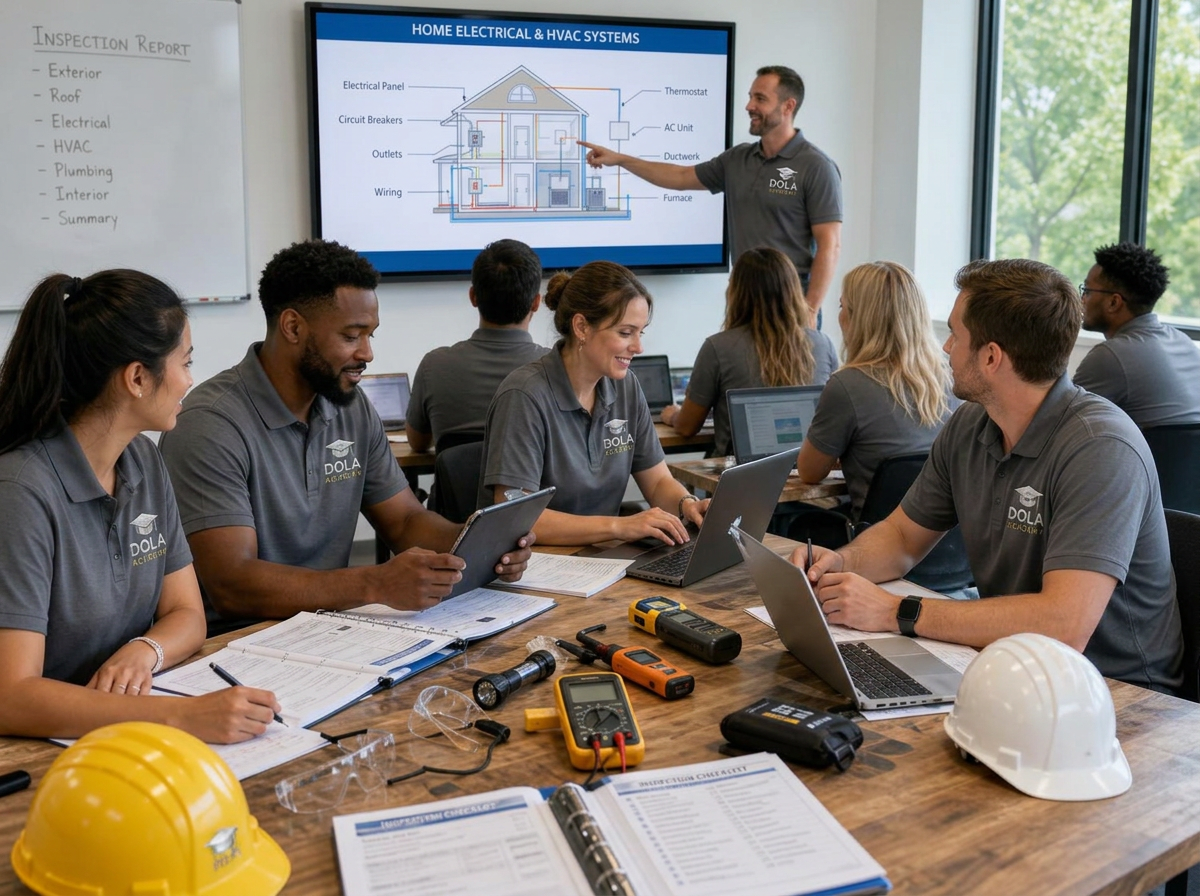
An instructor teaching a diverse cohort of adult learners how home electrical and HVAC systems are documented in an inspection report
Start here

Where partners usually begin

Most organizations arrive with a population in mind and a funding window approaching. These starting points map to how our partnerships are typically scoped.

Program models overview

Review the sponsored cohort, pilot, referral, hybrid, and train-the-trainer models to see which structure fits your capacity and funding.

Training track summaries

Home inspector preparation, ICC residential building inspector preparation, housing and rehabilitation education, and workforce foundations.

SEREN guided Q&A

Curated answers on eligibility, delivery formats, funding structure, disclaimers, and how to start a partnership.

Service area guidance

How we support Fort Worth, Tarrant County, Dallas County, the wider DFW region, North Texas, and communities statewide.

Grant-aligned program support

What we can and cannot support in a grant context, described plainly so your team can plan without guesswork.

County partnership priorities

Workforce development, adult education, youth employment, reentry, housing education, and neighborhood revitalization contexts.
Readiness checklist

Before your first scoping call

You do not need every answer. Having rough answers to these makes the first conversation far more productive.

  • 1Define the population you serve and the specific barrier the program addresses.
  • 2Confirm how many participants you can realistically recruit and support per cohort.
  • 3Decide on delivery format: online, in-person, or hybrid — and where sessions would meet.
  • 4Identify who owns participant recruitment, attendance follow-up, and completion tracking.
  • 5Clarify your funding source and reporting requirements before the schedule is locked.
  • 6Agree on what progress data you need and how often it must be reported.
  • 7Set a realistic start date that accounts for enrollment lead time.
  • 8Name an internal point of contact who can make scheduling decisions.
Documentation basics

Materials partners commonly need

Whether the funder is a county, a foundation, or a board, the same core documents tend to be requested. We help partners assemble them as part of program planning.

Program concept summary

A one to two page description of the population, need, proposed training, and expected participant progression. Useful for internal approvals and funder conversations.

Learning objective outline

What participants should be able to do at the end of each module, written in plain language that reviewers and program staff can both follow.

Cohort delivery plan

Session count, session length, format, location or platform, facilitator responsibilities, and participant support structure.

Progress measurement plan

Attendance, module completion, knowledge checks, and participant-reported readiness — defined before the cohort begins, not after.

Access

For enrolled learners

Program participants use a separate learning environment for coursework and progress tracking.

Already enrolled in a program?

Enrolled learners access coursework, lessons, and progress tracking in the Dola Academy student portal.

Student Login

Important: Dola Academy provides educational programs and program-development support only. We do not guarantee grant awards, employment, professional licensure, certification, or examination outcomes. Program eligibility, funding decisions, licensing, and credentialing are determined solely by the applicable agency, board, or funder.

Bring us your program idea, even if it is still rough

We will tell you honestly whether it is a fit, what a realistic first cohort looks like, and what your team would need to own.